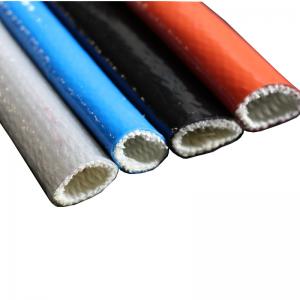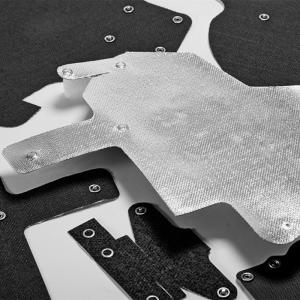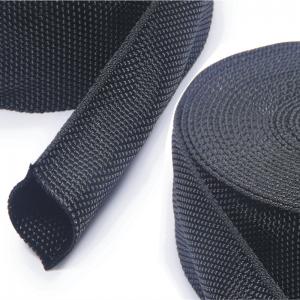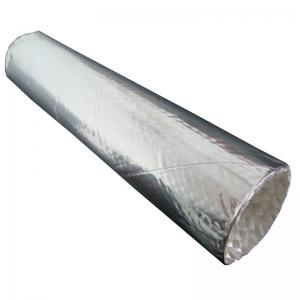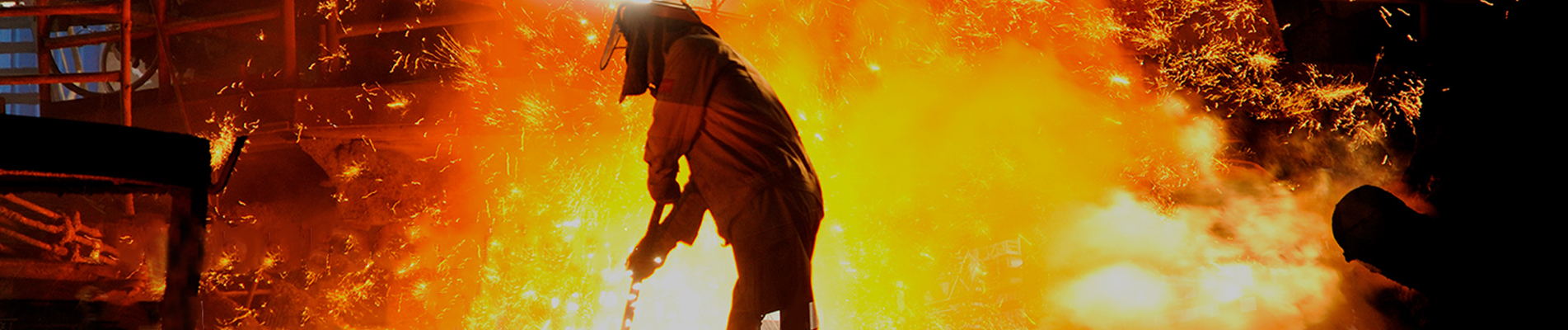
La cinta de sílice autoadhesiva combina dos componentes con funciones diferentes: el tejido de sílice proporciona la barrera térmica de alta temperatura, mientras que el adhesivo sensible a la presión ayuda a posicionar la cinta durante la instalación.Tratar esas dos capas como si tuvieran la misma capacidad de temperatura puede llevar a una especificación incorrecta.
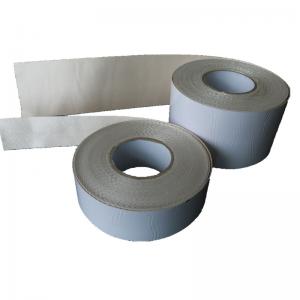
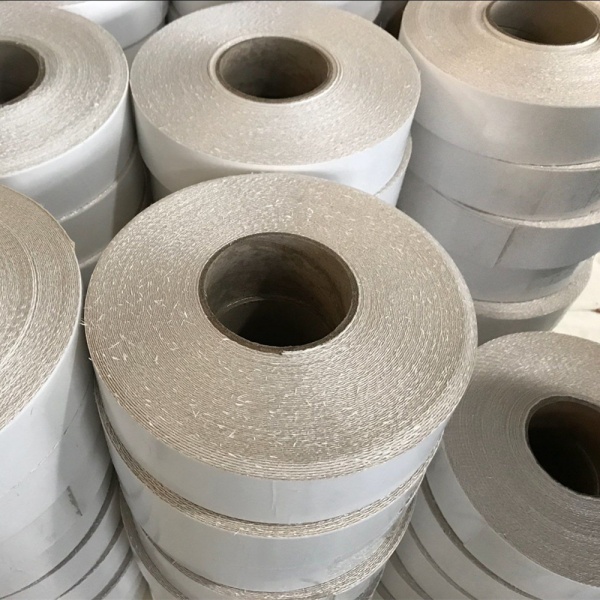
BSTFLEXCinta de sílice de alta temperatura con adhesivo sensible a la presiónEstá fabricada con tela de sílice cortada en cinta y se suministra con un adhesivo en la parte posterior. Está diseñada para la protección de mangueras, cables, tubos y tuberías industriales, donde la capa adhesiva facilita el enrollado y la colocación antes de la instalación.
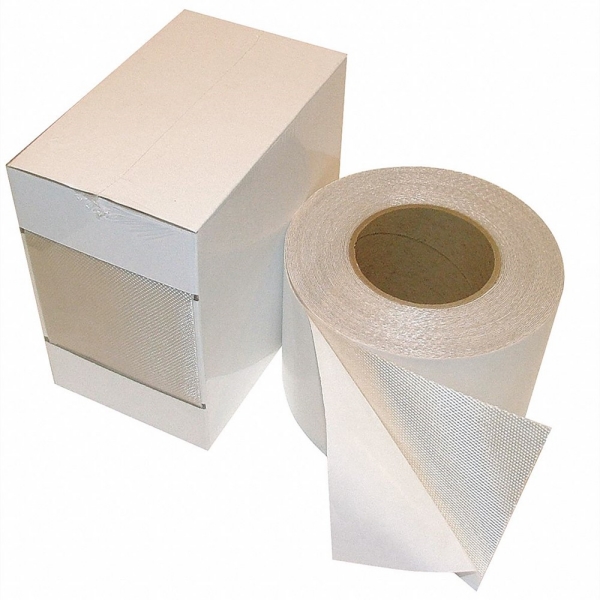
PSA significaadhesivo sensible a la presiónA diferencia de un adhesivo termoendurecible, un adhesivo sensible a la presión desarrolla adherencia cuando se aplica presión sobre la cinta contra una superficie adecuada.
En una cinta aislante de sílice, el adhesivo es principalmente una ayuda para la instalación. Puede ayudar al instalador a:
Esta distinción es importante porque el adhesivo y el tejido de sílice cumplen funciones diferentes. La capa de sílice proporciona protección térmica. El adhesivo sensible a la presión proporciona adherencia y posicionamiento.
No. La capacidad de temperatura del tejido de sílice no debe asignarse automáticamente al soporte adhesivo.
Los textiles con alto contenido de sílice pueden mantener su funcionalidad a temperaturas muy superiores al rango de funcionamiento normal de muchos adhesivos sensibles a la presión. Cuando la temperatura de instalación aumenta, el adhesivo puede ablandarse, perder adherencia, carbonizarse o descomponerse, mientras que la capa de sílice permanece intacta.
Por eso, una especificación industrial debería identificar al menos dos cuestiones de temperatura distintas:
| Componente | Lo que el comprador debe confirmar |
|---|---|
| Textil de sílice | Temperatura de servicio continua y límites de exposición de corta duración para la confección textil específica. |
| Respaldo de PSA | Temperatura de aplicación recomendada, rango de temperatura de servicio y si el adhesivo está destinado únicamente al posicionamiento durante la instalación. |
| Ensamblaje terminado | Ya sea que se requiera fijación mecánica, solapamiento, abrazaderas, ataduras u otro método de retención durante el servicio. |
Si la cotización solo indica "cinta de sílice con una clasificación de 982 °C", eso por sí solo no establece que el adhesivo sensible a la presión (PSA) seguirá siendo adhesivo a 982 °C.
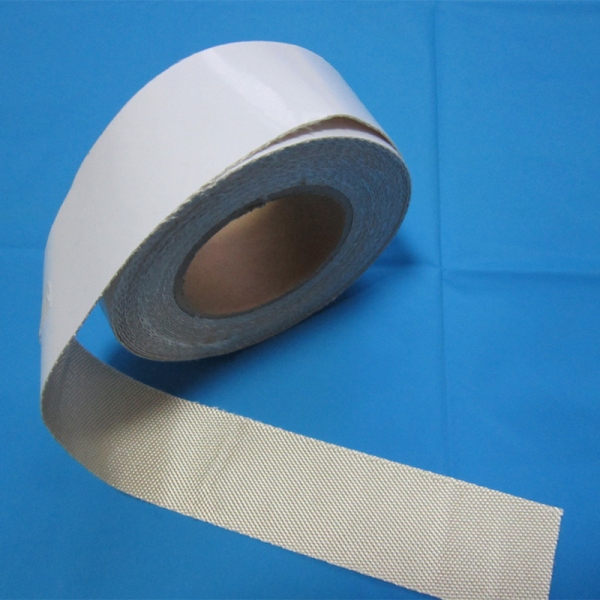
La respuesta depende de la composición química del adhesivo, el grosor de la capa, el sustrato, el estado de la superficie y el tiempo de exposición. Un adhesivo sensible a la presión (PSA) típico utilizado en textiles de alta temperatura puede comportarse de manera diferente a temperaturas moderadas que cerca de un horno o una línea de procesamiento en caliente.
Los posibles cambios incluyen:
Por este motivo, el adhesivo sensible a la presión no debe considerarse como el único método de fijación a largo plazo, a menos que el sistema adhesivo haya sido homologado para las condiciones de funcionamiento exactas.
Porque la instalación en sí misma es una parte importante del trabajo.
Envolver una tira flexible de sílice alrededor de una manguera, cable o tubo largo puede resultar difícil si la primera vuelta se mueve o la superposición se abre antes de que el instalador llegue al punto de fijación. Un adhesivo en la parte posterior puede facilitar este trabajo.
Por lo tanto, el adhesivo sensible a la presión (PSA) puede aportar valor incluso cuando no se espera que proporcione una adhesión permanente durante toda su vida útil.
Una forma útil de pensar en la construcción es:
PSA = ayuda para el posicionamiento
Cinta de sílice = capa de protección térmica
Retención mecánica = fijación a largo plazo donde sea necesario
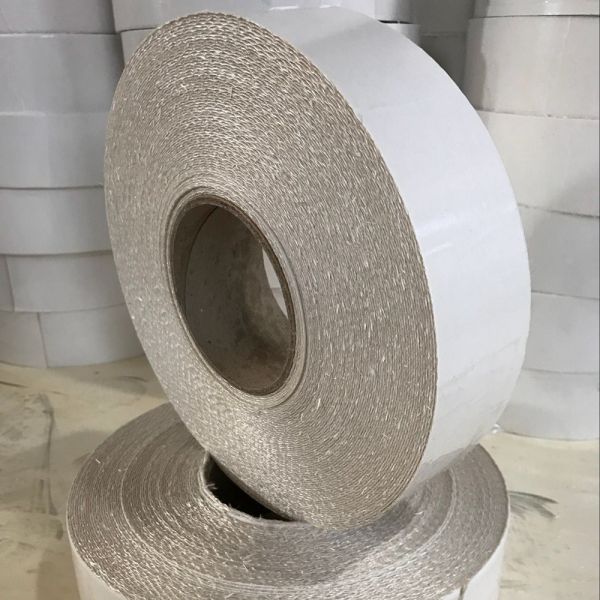
Si la cinta se instala en un lugar donde el rendimiento adhesivo pueda disminuir durante el funcionamiento, especifique un método de retención secundario adecuado.
Dependiendo del equipo, esto puede incluir:
El método de fijación debe ser adecuado para la manguera, el cable o la tubería subyacente. No utilice una fijación que perfore la cubierta de la manguera, dañe el aislamiento eléctrico o genere una carga puntual inaceptable.
Incluso cuando el adhesivo se utiliza principalmente para una colocación temporal, la superficie de instalación afecta a su adherencia inicial.
Antes de la aplicación, compruebe que la superficie sea compatible con el adhesivo y que esté libre de polvo, aceite, condensación y cualquier otro contaminante que impida el contacto. La cinta debe aplicarse con firmeza para que el adhesivo pueda humedecer la superficie.
Las superficies muy frías, las piezas fundidas rugosas, el aislamiento con mucha textura o las mangueras contaminadas pueden reducir la adherencia inicial. Si la pegajosidad inicial es fundamental, evalúe una muestra sobre el sustrato real antes de su uso en producción.
La cinta de sílice con adhesivo y la cinta de sílice tejida estrecha no deben considerarse automáticamente productos idénticos.
Acinta de sílice ranuradaSe corta de una tela de sílice más ancha. Debido a que los lados longitudinales son bordes cortados, puede producirse cierto deshilachado en los bordes dependiendo de la confección y el manejo de la tela.
Acinta de sílice tejidaestá tejido hasta alcanzar su ancho final y, por lo tanto, tiene bordes longitudinales tejidos.
Suministros BSTFLEXCinta tejida de sílice de alta temperaturaPara aplicaciones en las que se prefiere una construcción tejida estrecha, mientras que la versión con ranura y respaldo de adhesivo sensible a la presión (PSA) resulta útil cuando el posicionamiento durante la instalación es un requisito clave.
La elección debe basarse en la construcción, el manejo, el estado de los bordes, las dimensiones y el método de instalación, en lugar de simplemente seleccionar cualquier producto que tenga "cinta de sílice" en su nombre.
La cinta de sílice con respaldo adhesivo puede considerarse para el aislamiento térmico localizado y el posicionamiento alrededor de componentes industriales como:
Para cada aplicación, primero identifique la temperatura que alcanza la cinta y la temperatura máxima que puede soportar el componente protegido. La instalación de una envoltura de sílice no modifica la temperatura nominal original de la manguera, el cable o el tubo que se encuentra debajo.
Una solicitud de cotización clara debe separar los requisitos textiles de los requisitos adhesivos.
| Elemento de solicitud de cotización | Información para proporcionar |
|---|---|
| Solicitud | Detalle de manguera, cable, tubo, tubería o equipo |
| Temperatura normal | Exposición continua prevista en la ubicación de la cinta. |
| Exposición máxima | Temperatura máxima de corta duración y duración |
| Dimensiones de la cinta | Ancho, grosor, longitud del rollo o longitud de corte requeridos |
| Requisito de PSA | Ayuda para la instalación o fianza de servicio requerida |
| Retención | Alambre, abrazaderas, bridas u otros elementos de fijación mecánica |
| Cantidad | Prototipo, lote de producción o suministro recurrente |
Esta información permite al proveedor analizar la construcción textil y el sistema adhesivo por separado, en lugar de tratarlos como una única clasificación de temperatura.
Eso depende de la temperatura real, el sistema adhesivo, la superficie, la geometría y las condiciones de servicio.
A temperaturas suficientemente bajas y sobre superficies adecuadas, el adhesivo puede seguir proporcionando una buena sujeción. En entornos térmicos más extremos, lo más seguro es considerar el adhesivo como un elemento auxiliar de instalación, a menos que los datos de las pruebas realizadas para la construcción específica demuestren lo contrario.
Cuando la retención a largo plazo sea importante, defina el método de fijación mecánica en el plano del equipo o en las instrucciones de trabajo.
Antes de aprobar una especificación de producción, confirme:
Para equipos críticos, califique una muestra representativa bajo las condiciones reales de instalación y funcionamiento, en lugar de aprobar el producto basándose únicamente en un valor de temperatura nominal.
Suministros BSTFLEXCinta de sílice de alta temperatura con adhesivo sensible a la presiónpara protección térmica industrial y requisitos de instalación.
Al solicitar un presupuesto, indique las dimensiones de la cinta, la temperatura de funcionamiento, el componente protegido, la cantidad y si el adhesivo se requiere únicamente para el posicionamiento o para una unión continua durante el uso.
Para otras construcciones textiles industriales, compare laGama de cintas industriales de alta temperatura BSTFLEX.
Envíe su solicitud y pida un presupuesto para cinta de sílice con adhesivo.

 English
 français
 Deutsch
 русский
 italiano
 português
 Nederlands
 العربية
 日本語
日本語 한국의
한국의 Türkçe
 Polski
 Tiếng Việt
 slovenský
 Indonesia