English
 français
 Deutsch
 русский
 italiano
 português
 Nederlands
 العربية
 日本語
日本語 한국의
한국의 Türkçe
 Polski
 Tiếng Việt
 slovenský
 Indonesia



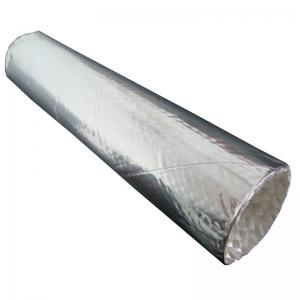
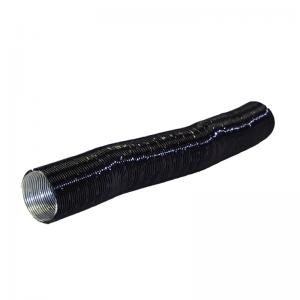
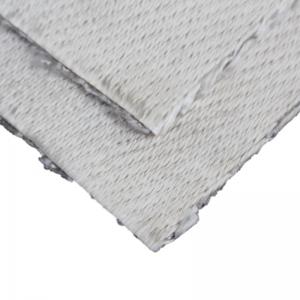
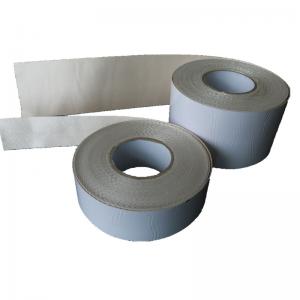
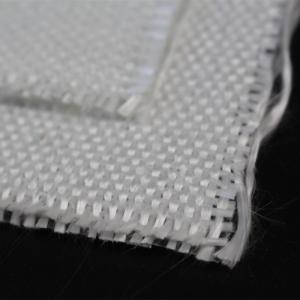
Fabricante de juntas de expansión de tela a medida para sistemas de conductos industriales.
Los sistemas de conductos industriales rara vez operan en condiciones idénticas. Las dimensiones de los conductos, la temperatura del gas, la presión, el movimiento, la carga de partículas, la exposición química y la disposición de los equipos pueden cambiar sustancialmente de una instalación a otra. Por esta razón, unjunta de expansión de tejido a medidaDebe diseñarse en función de los datos operativos reales, en lugar de seleccionarse únicamente por el tamaño nominal del conducto.
BSTFLEX fabricajuntas de expansión de tejido no metálico a medidaPara conductos industriales de aire caliente, gases de escape, gases de combustión y gases de proceso. Se pueden fabricar configuraciones redondas, rectangulares, cuadradas y no estándar según los planos del cliente, las dimensiones de las juntas existentes y las condiciones de funcionamiento del proyecto.
Nuestro ámbito de fabricación incluye correas flexibles, estructuras de tejido multicapa, juntas aislantes, juntas de expansión de repuesto y conjuntos completos fabricados para equipos OEM, nuevas instalaciones, proyectos de mantenimiento y sustituciones durante paradas de planta.
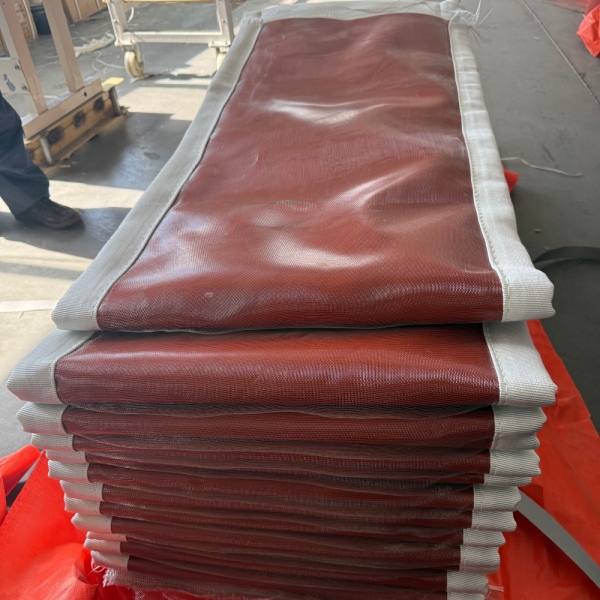
Juntas de expansión de tela construidas alrededor del sistema de conductos
Una junta de dilatación textil no es simplemente un trozo de tejido resistente a altas temperaturas instalado entre dos bridas. En un sistema de conductos industriales, la sección flexible debe funcionar en conjunto con el equipo circundante, permitiendo el movimiento necesario y manteniendo un sellado adecuado y un rendimiento térmico óptimo.
El diseño podría tener que tener en cuenta lo siguiente:
- Compresión y extensión axial
- Desplazamiento lateral horizontal y vertical
- Movimiento angular
- Movimiento multidireccional combinado
- Ciclo térmico
- Vibración del equipo
- Presión positiva o negativa en el conducto
- exposición a gases calientes
- Humedad y condensados químicos
- Polvo, cenizas volantes y partículas abrasivas
- Desajuste de instalación
BSTFLEX evalúa estas condiciones antes de determinar el sistema de material flexible, la geometría, la disposición del aislamiento y la construcción de la fijación.
Capacidades de fabricación a medida
Las juntas de expansión industriales suelen tener dimensiones y requisitos de funcionamiento que no se corresponden con los de un catálogo estándar. BSTFLEX ofrece fabricación a medida para proyectos, tanto para equipos nuevos como para reemplazos.
| Requisito de fabricación | Personalización disponible |
|---|---|
| Forma | Geometría redonda, rectangular, cuadrada y especial |
| Dimensiones | Fabricado según el tamaño del conducto o el plano del cliente. |
| Duración cara a cara | Personalizado según el espacio de instalación y el movimiento. |
| Elemento flexible | Construcción de una sola capa o multicapa diseñada |
| Materiales | Fibra de vidrio, fibra de vidrio revestida, materiales a base de PTFE, tejidos revestidos de silicona, tejidos de sílice y materiales aislantes. |
| Movimiento | Movimiento axial, lateral, angular o combinado |
| Adjunto | Disposición tipo correa, con brida o específica para el proyecto. |
| Protección interna | Revestimientos, capas protectoras y sistemas de aislamiento donde sea necesario |
| Tipo de producción | Cantidades de prototipos, repuestos, OEM y producción |
Juntas de expansión redondas para tela
Las juntas de dilatación circulares de tela se instalan habitualmente en conductos cilíndricos, conexiones de ventiladores, sistemas de escape y líneas de aire de proceso.
Para una junta circular a medida, los datos de ingeniería normalmente incluyen el diámetro del conducto, la distancia entre caras, el movimiento, la temperatura de funcionamiento, la presión y el fluido del proceso. De esta forma, la construcción flexible se puede adaptar a la instalación real en lugar de basarse únicamente en el diámetro.
Los diseños redondos pueden suministrarse como cintas flexibles o como conjuntos, según la disposición de los conductos existente del cliente.
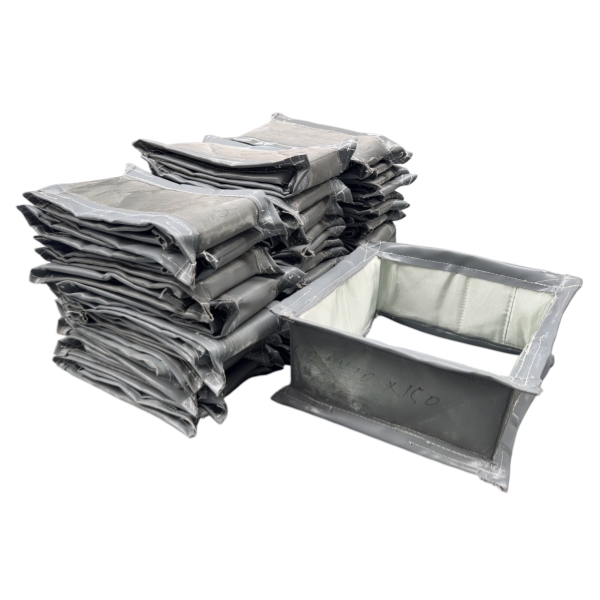
Fabricación de juntas de expansión rectangulares de tela
Las grandes calderas, hornos, sistemas de tratamiento de aire, equipos de generación de energía y plantas de procesamiento suelen utilizar conductos rectangulares.
Ajunta de expansión rectangular de tejidoRequiere especial atención a la geometría de las esquinas, ya que las cuatro esquinas y los lados rectos responden de manera diferente a medida que se mueve el conducto.
Para aplicaciones rectangulares, BSTFLEX evalúa:
- Ancho y altura del conducto
- Duración cara a cara
- movimiento lateral horizontal
- movimiento lateral vertical
- Compresión y extensión axial
- Construcción de esquina
- Dimensiones de la brida
- Configuración del revestimiento interno
- Dirección del flujo de gas
- Presión de funcionamiento
Para una discusión técnica detallada, consulte nuestra guía sobreJuntas de expansión rectangulares de tela para conductos industriales.
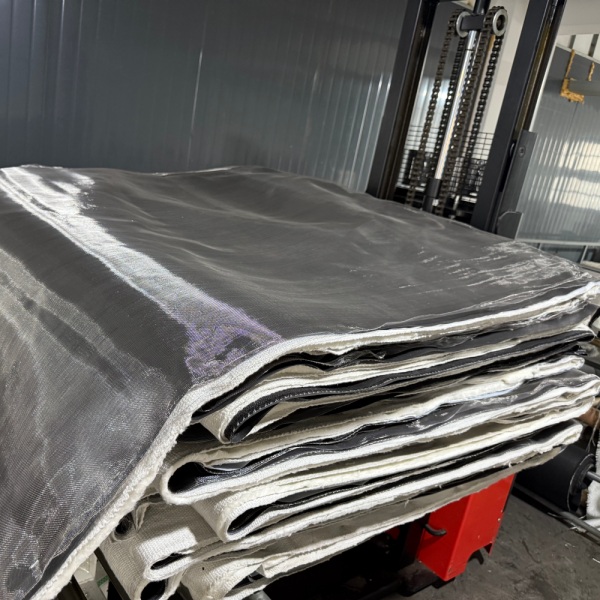
Sistemas de materiales para juntas de expansión de tejido a medida
No existe una única construcción de tejido adecuada para todas las juntas de dilatación industriales. La selección del material depende de la función que deba cumplir cada capa dentro del conjunto.
Tejido de fibra de vidrio
Los textiles de fibra de vidrio pueden proporcionar refuerzo y resistencia térmica en numerosas aplicaciones de conductos industriales. Se pueden evaluar diferentes tipos de tejido, gramajes y tratamientos superficiales según los requisitos mecánicos y térmicos de la junta.
Tejido recubierto de silicona
La fibra de vidrio recubierta de silicona puede considerarse una opción cuando la flexibilidad, la resistencia ambiental y el rendimiento de sellado son importantes dentro del rango de temperatura aplicable a la construcción seleccionada.
Tejido a base de PTFE
Los materiales a base de PTFE pueden incorporarse cuando el elemento flexible requiere resistencia a medios de proceso agresivos o una capa de sellado de gas adecuada.
Tejido de sílice
Para entornos térmicos exigentes, el tejido de sílice puede considerarse como parte de un sistema multicapa donde la exposición a temperaturas elevadas requiere protección térmica adicional.
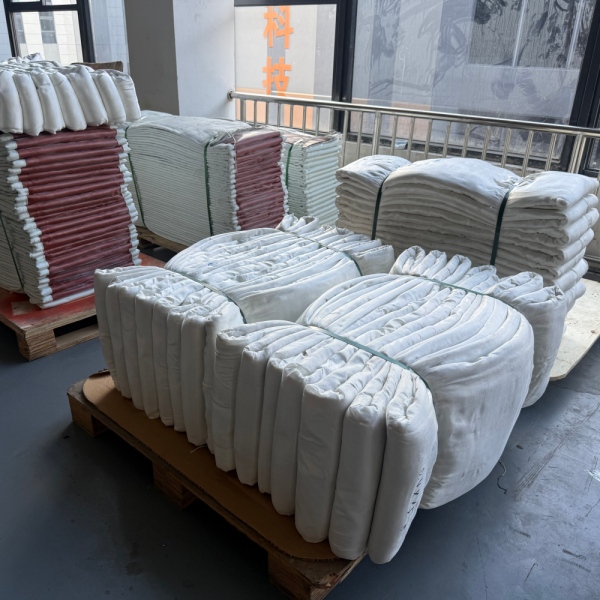
BSTFLEX fabrica y procesa una amplia gama detejidos de alta temperatura, lo que permite evaluar el paquete de materiales flexibles según la aplicación, en lugar de tratar la correa de tela como un componente genérico.
¿Por qué a menudo se requiere la construcción multicapa?
Una aplicación exigente en conductos industriales puede requerir que varios materiales trabajen juntos en lugar de que un solo tejido realice todas las funciones.
Una junta de expansión multicapa puede diseñarse de manera que sus diferentes componentes proporcionen:
- Sellado de gas
- Refuerzo mecánico
- Aislamiento térmico
- Protección contra altas temperaturas
- Resistencia química
- Protección contra la abrasión
La secuencia exacta de capas debe determinarse según las condiciones del proceso. La temperatura máxima del gas por sí sola no es suficiente para especificar la junta de expansión completa.
Juntas de expansión de tejido para altas temperaturas
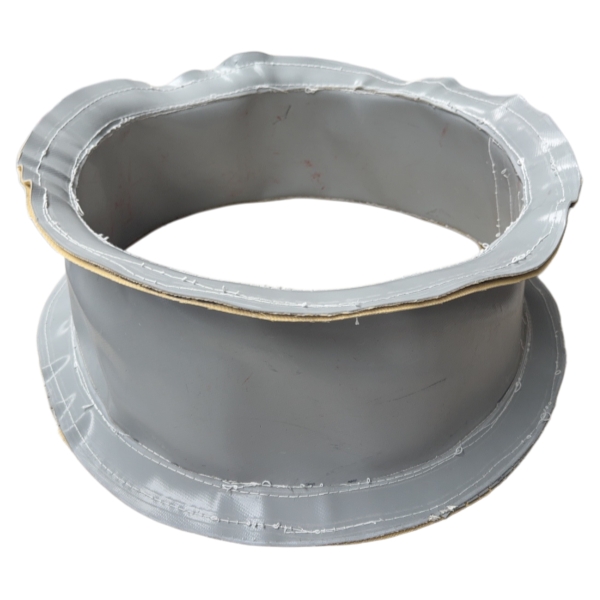
Los sistemas de conductos de alta temperatura requieren algo más que seleccionar un tejido con una clasificación de temperatura publicada.
El fabricante de juntas de expansión debe comprender la temperatura normal de funcionamiento, así como las condiciones máximas o de funcionamiento anómalo, la duración de la exposición, la velocidad del gas, la disposición del aislamiento y la temperatura que realmente alcanza cada capa del elemento flexible.
En algunas aplicaciones, las capas de aislamiento y la protección interna de la superficie caliente pueden reducir la carga térmica que llega a los materiales de sellado y refuerzo externos.
BSTFLEX puede evaluar construcciones de alta temperatura utilizando combinaciones de textiles técnicos, tejidos recubiertos,Tejido de sílice de alta temperatura al 96%., aislamiento y componentes de protección según los requisitos del proyecto.
Juntas de dilatación de tela para conductos de gases de combustión
Los sistemas de gases de combustión pueden exponer una junta de expansión a una combinación de calor, humedad, especies químicas, partículas y ciclos térmicos continuos.
Los puntos de instalación típicos pueden incluir:
- Conductos de caldera
- Conexiones del precalentador de aire
- Conexiones de ventiladores de tiro inducido
- Conductos del precipitador electrostático
- Sistemas de filtros de mangas
- Sistemas de desulfuración de gases de combustión
- Depuradores
- Conexiones de pila
- Conductos de escape industriales
Para estas aplicaciones, la química del gas y las condiciones de las partículas pueden ser tan importantes como la temperatura. También puede ser necesario un revestimiento protector u otra protección interna cuando la alta velocidad del gas o las partículas abrasivas puedan atacar directamente el elemento flexible.
Sistemas de conductos de presión positiva y negativa
Al solicitar una junta de expansión a medida, se deben incluir los datos de presión.
Algunos conductos industriales funcionan bajo presión positiva, mientras que los sistemas de tiro inducido y de extracción pueden funcionar bajo presión negativa. Estas condiciones afectan el comportamiento del elemento flexible durante su funcionamiento.
Indique tanto la presión de funcionamiento normal como la presión de diseño o máxima, cuando estén disponibles. La unidad de presión también debe estar claramente identificada en el plano o en la solicitud de cotización.
El movimiento es un elemento de diseño, no una ocurrencia tardía.
Una de las principales razones para utilizar una junta de expansión de tela es su capacidad para absorber el movimiento al tiempo que impone fuerzas de reacción relativamente bajas sobre los conductos adyacentes.
Sin embargo, afirmar que una junta de expansión es "flexible" no es suficiente para su fabricación.
La solicitud de cotización debe definir numéricamente el movimiento requerido siempre que sea posible:
| Movimiento | Información que se debe proporcionar |
|---|---|
| Compresión axial | Compresión máxima desde la posición instalada |
| Extensión axial | Extensión máxima desde la posición instalada |
| Horizontal Lateral | Desplazamiento horizontal máximo |
| Vertical Lateral | Desplazamiento vertical máximo |
| Angular | Desplazamiento angular requerido cuando corresponda |
| Movimiento combinado | Indique si los movimientos ocurren simultáneamente. |
En los proyectos donde aún no se han establecido los datos de movimiento, el ingeniero del sistema de conductos debe determinar la dilatación térmica prevista y el desplazamiento del equipo antes de la selección final de las juntas.
Juntas de expansión de tela de repuesto
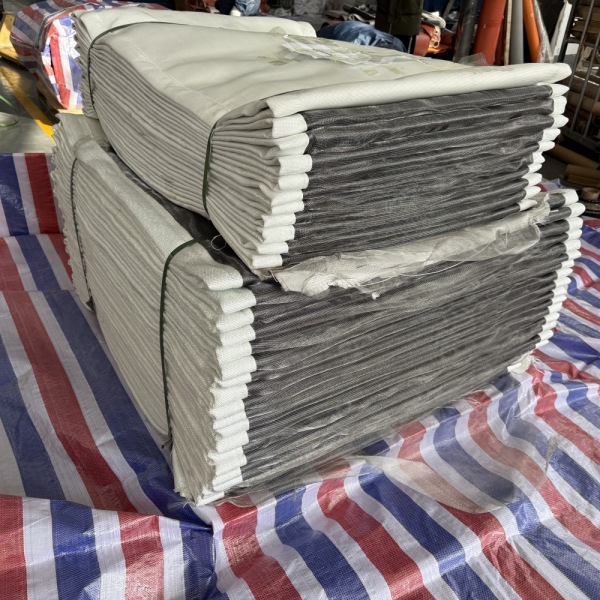
No todos los proyectos de sustitución cuentan con un plano original de la junta de dilatación.
BSTFLEX puede evaluar los requisitos de reemplazo utilizando la información dimensional y operativa disponible. Dependiendo del proyecto, la información de referencia útil puede incluir:
- Fotografías de juntas de dilatación existentes
- Dimensiones generales del conducto
- Medición cara a cara
- Dimensiones de la brida
- Tamaño y espaciado de los orificios para pernos
- Dimensiones de la correa existente
- Disposición del revestimiento existente
- Información del material
- Temperatura de funcionamiento normal y máxima
- Presión
- Medio de proceso
- Movimiento requerido
Una muestra física también puede resultar útil para determinados proyectos de sustitución, sobre todo cuando resulta difícil documentar la geometría del elemento flexible o del elemento de fijación existente.
Fabricante de juntas de expansión de tela a medida para proyectos OEM.
Los requisitos de los fabricantes de equipos originales (OEM) difieren de los de los reemplazos de mantenimiento puntuales. Los fabricantes de equipos pueden exigir dimensiones repetibles, construcciones de materiales definidas, control de planos, requisitos de embalaje y uniformidad de producción en múltiples pedidos.
BSTFLEX ofrece soporte para la fabricación OEM y de proyectos para clientes industriales que requieren componentes textiles térmicos personalizados y juntas de expansión no metálicas.
El apoyo a la fabricación puede incluir:
- Fabricación según los planos del cliente.
- Desarrollo de prototipos
- Personalización basada en muestras
- Soporte para la selección de materiales
- Dimensiones y geometría personalizadas
- Requisitos de marca propia y embalaje especial
- Producción repetida para proyectos OEM
Aplicaciones en sistemas de conductos industriales
Se pueden considerar juntas de expansión de conductos de tela a medida siempre que sea necesario controlar fluidos gaseosos, movimientos térmicos y vibraciones de equipos en sistemas de conductos industriales de baja presión.
| Industria | Ubicaciones típicas de las juntas de dilatación |
|---|---|
| Generación de energía | Conductos de calderas, conductos de gases de combustión, precalentadores de aire, ventiladores, sistemas de desulfuración de gases de combustión (FGD). |
| Cemento | Conductos relacionados con hornos, conductos de aire de proceso, sistemas de manejo de polvo |
| Acero y metalurgia | Conductos de hornos, sistemas de escape, equipos para el manejo de gases calientes |
| Hornos industriales | Conexiones de aire caliente y escape |
| Control de la contaminación atmosférica | Filtros de mangas, depuradores, precipitadores y conductos de gas de proceso. |
| Ventiladores y sopladores | Conexiones de conductos de entrada y salida |
| Equipos de proceso | Sistemas de manejo de aire caliente y gas con ciclo térmico |
¿Qué debe incluir el plano de una junta de dilatación de tejido?
Un plano de ingeniería claro reduce el tiempo de elaboración de presupuestos y ayuda a prevenir suposiciones incorrectas durante la fabricación.
Siempre que sea posible, incluya:
- Diámetro o ancho del conducto × altura
- Dimensión cara a cara
- Ancho y espesor de la brida
- Diámetro del orificio del perno
- Espaciado de los orificios para pernos
- Dirección del flujo
- Dimensiones del revestimiento interno
- Disposición del aislamiento
- Dirección del movimiento
- Orientación de instalación
Para uniones rectangulares, las vistas frontal y lateral son especialmente útiles. Para configuraciones complejas, se prefieren los archivos CAD o los PDF dimensionales.
Datos técnicos necesarios para obtener un presupuesto.
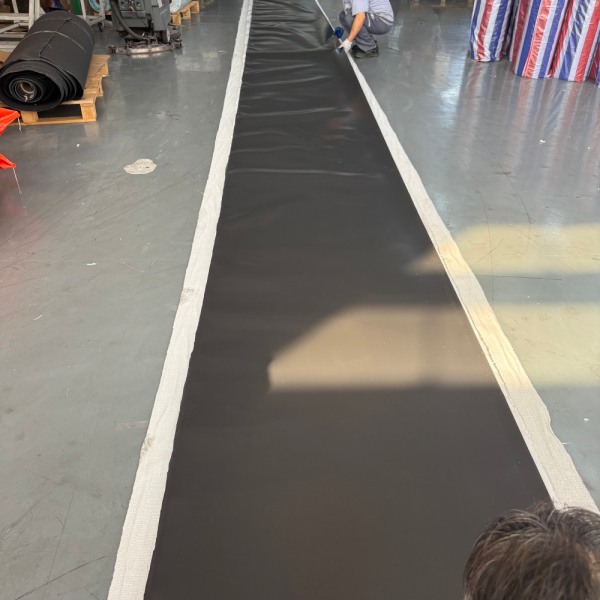
El envío de datos operativos completos permite al fabricante evaluar la junta de expansión como un componente de ingeniería, en lugar de basarse únicamente en sus dimensiones.
| Artículo de solicitud de cotización | Información requerida |
|---|---|
| Solicitud | Caldera, horno, ventilador, gases de combustión, escape, planta de cemento u otro sistema |
| Forma | Redonda, rectangular, cuadrada o especial |
| Dimensiones | Diámetro o ancho × altura |
| Cara a cara | Longitud instalada |
| Temperatura de funcionamiento | Temperatura continua normal |
| Temperatura máxima | Temperatura máxima y duración de la exposición |
| Presión | Presión de funcionamiento y de diseño, positiva o negativa |
| Medio de procesamiento | Aire caliente, gases de escape, gases de combustión u otra composición gaseosa. |
| Movimiento | Requisitos axiales, laterales y angulares |
| Velocidad del gas | Velocidad de funcionamiento cuando se conoce |
| Partículas | Polvo, cenizas volantes o sólidos abrasivos |
| Ambiente | Interiores, exteriores, húmedos, polvorientos o expuestos a productos químicos. |
| Cantidad | Cantidad prototipo, de reemplazo o de producción |
| Dibujo | CAD, PDF, boceto o detalles de juntas existentes |
¿Por qué adquirir juntas de expansión de tela a medida de BSTFLEX?
BSTFLEX combina el procesamiento de textiles técnicos con la capacidad de fabricación a medida para aplicaciones de protección térmica industrial. Esto resulta especialmente útil para juntas de expansión de tejido, ya que el elemento flexible en sí mismo es una pieza fundamental del conjunto.