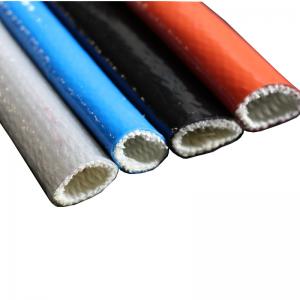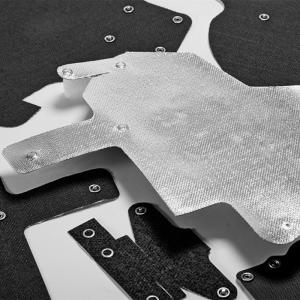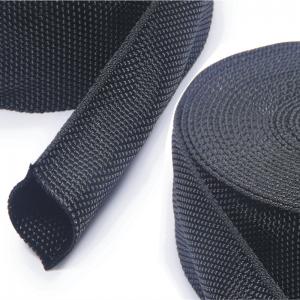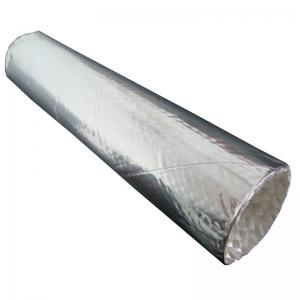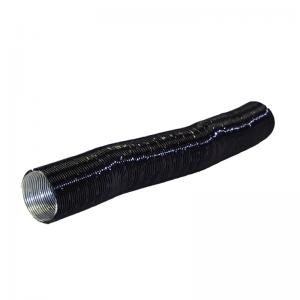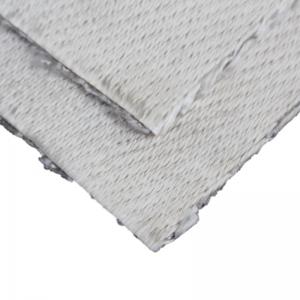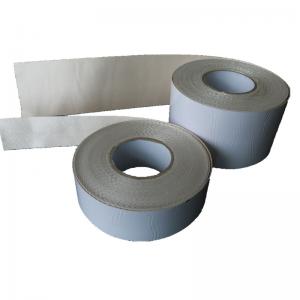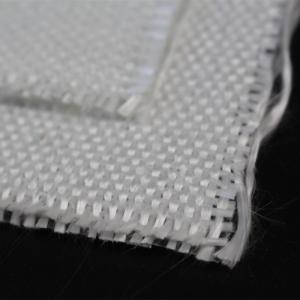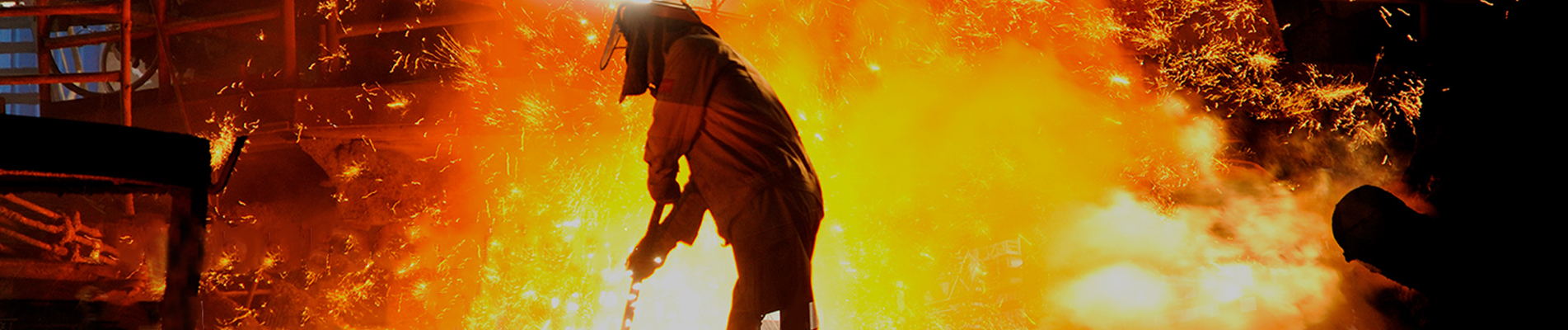
La tela de sílice es un textil tejido de alta temperatura utilizado cuando los tejidos convencionales de fibra de vidrio pueden no proporcionar un rendimiento térmico suficiente. Según el contenido de sílice, el tejido, el peso, el grosor y el tratamiento superficial, el tejido de sílice puede utilizarse para protección contra soldadura, aislamiento de hornos, contención del calor de escape, cubiertas de aislamiento extraíbles, cortinas cortafuego, juntas de expansión y otros sistemas industriales de protección térmica.
BSTFLEX suministra una amplia gama de telas tejidas de sílice y textiles de sílice tratados especialmente, incluidos tejido de sílice al 70%, tejido de alta sílice al 96%, tejido de sílice recubierto con caucho de silicona, tela de sílice recubierta de aluminio, tejido de sílice recubierto de vermiculita y tela de sílice con respaldo adhesivo.
Diferentes construcciones resuelven diferentes problemas térmicos. Una tela de sílice de alta pureza con tejido liso puede seleccionarse para aislamiento directo a alta temperatura, mientras que una superficie de aluminio es más adecuada cuando el calor radiante es la principal preocupación. El recubrimiento de silicona proporciona una combinación diferente de protección superficial y características de fabricación, mientras que el respaldo adhesivo es útil cuando el material debe instalarse directamente sobre un componente o barrera térmica.
Por lo tanto, para ingenieros, fabricantes y compradores industriales, el material correcto debe seleccionarse según la fuente de calor real y no solo por la clasificación de temperatura.
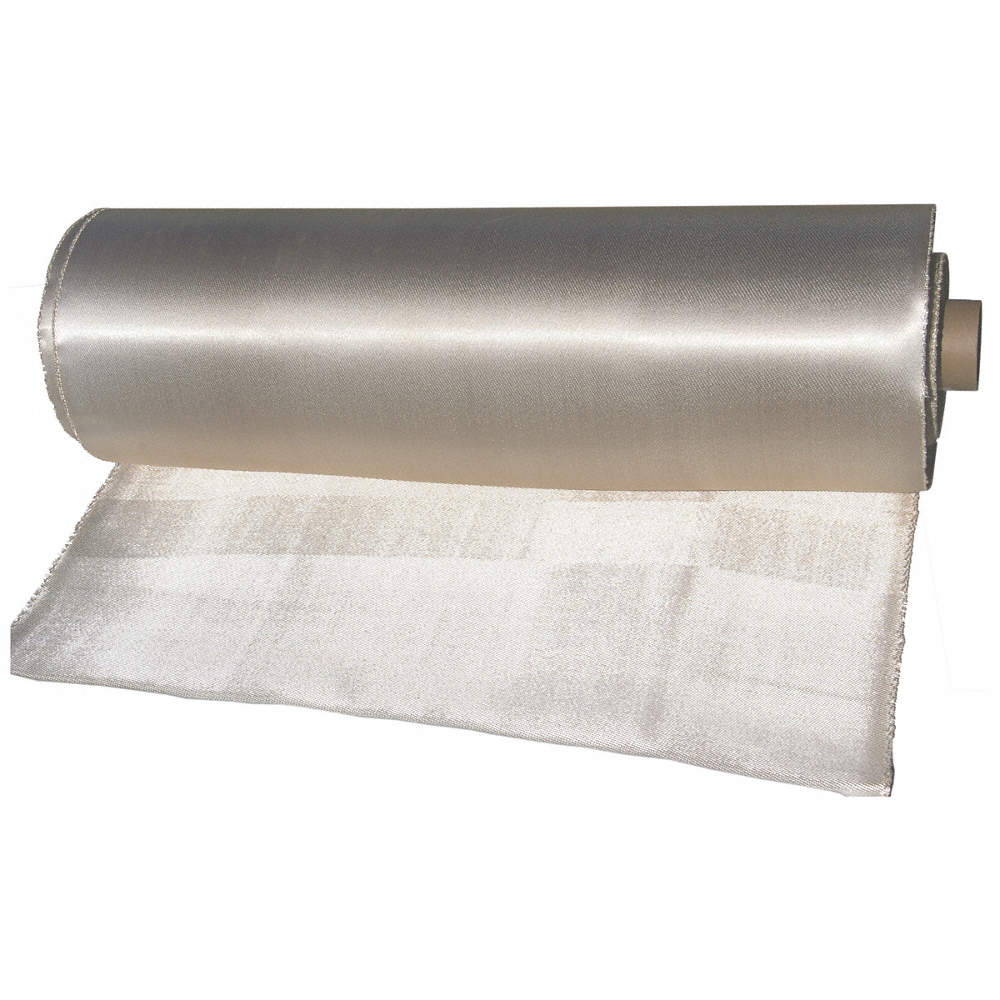
La tela de sílice se produce a partir de fibras basadas en sílice que se transforman en hilo y se tejen en un textil flexible. También puede describirse en la industria como tejido de sílice, textil de sílice, tela de fibra de sílice, tejido de fibra de sílice, tela tejida de sílice, tela de fibra de vidrio de sílice o tela de fibra de vidrio de sílice.
Los grados de alta sílice contienen una proporción de SiO2 considerablemente mayor que los tejidos convencionales de vidrio E y están destinados a entornos térmicos más exigentes.
El tejido de sílice de alta temperatura al 96% de BSTFLEX, por ejemplo, se fabrica con al menos un 96% de fibra de sílice y está diseñado para una exposición térmica continua alrededor de 1000°C.
La construcción tejida proporciona al material una ventaja importante frente al aislamiento rígido: puede cortarse, envolverse, coserse y fabricarse en componentes terminados de protección térmica.
Las formas habituales incluyen:
Rollos y láminas
Mantas de soldadura
Cortinas cortafuego
Cortinas para hornos
Capas de aislamiento de escape
Chaquetas de aislamiento extraíbles
Escudos térmicos
Juntas de expansión
Cubiertas de protección para equipos
Barreras térmicas fabricadas a medida
La tela de alta sílice es un textil tejido rico en sílice desarrollado para aplicaciones que implican temperaturas elevadas sostenidas, exposición a llamas y aislamiento térmico.
Términos como tela de alta sílice, tejido de alta sílice, tela de alta sílice, tela de vidrio de alta sílice, tela de fibra de vidrio de alta sílice, tejido de fibra de vidrio de alta sílice y tela de fibra de vidrio de alta sílice son utilizados con frecuencia por compradores industriales al buscar este tipo de material.
Una de las especificaciones más importantes es el contenido de sílice.
BSTFLEX suministra grados del 70% y del 96% porque están destinados a diferentes condiciones de operación y requisitos de coste.
El tejido de sílice de alta temperatura al 96% es el punto de partida preferido para aplicaciones que implican una exposición prolongada a calor extremo. La especificación actual utiliza al menos un 96% de fibra de sílice y está diseñada para un uso continuo alrededor de 1000°C.
El Tela de sílice tejida al 70%utiliza una composición de sílice del 70% ±5% y está especificada para temperaturas de servicio de hasta aproximadamente 800°C. Se utiliza comúnmente para mantas de soldadura, cortinas, pantallas y protección de equipos.
Estos dos materiales no deben considerarse intercambiables simplemente porque ambos se denominan tela de sílice.
El grado de sílice requerido depende principalmente de la temperatura de funcionamiento, la duración de la exposición, las condiciones mecánicas y la construcción del sistema de aislamiento terminado.
| Tipo de tela de sílice | Característica clave | Motivo típico de selección | Aplicaciones típicas |
|---|---|---|---|
| Tela de sílice tejida al 70% | Contenido de sílice de aproximadamente el 70% | Protección térmica rentable a temperaturas moderadas a altas | Cortinas de soldadura, mantas, cubiertas de equipos |
| Tela de sílice de alta pureza al 96% | Contenido de sílice de al menos el 96% | Mayor capacidad de temperatura y estabilidad térmica | Hornos, sistemas de escape, protección contra incendios, aislamiento térmico para calor extremo |
| Tela de sílice recubierta de silicona | Base de sílice con recubrimiento de silicona | Superficie recubierta flexible y mejores características de manipulación | Cubiertas, cortinas, conectores flexibles |
| Tela de sílice recubierta de aluminio | Tela de sílice de alto contenido con superficie de aluminio | Reflexión del calor radiante | Escudos térmicos, barreras, protección de equipos |
| Tela de sílice recubierta de vermiculita | Tela de sílice con tratamiento de vermiculita | Mayor durabilidad superficial y resistencia a la abrasión | Protección para soldadura, juntas de expansión, chaquetas de aislamiento |
| Tela de sílice con adhesivo en la parte posterior | Tela de sílice con adhesivo sensible a la presión | Colocación e instalación más sencillas | Barreras térmicas y conjuntos de aislamiento fabricados |
La tabla proporciona un marco general para la selección de materiales. La especificación final también debe tener en cuenta la exposición directa a llamas, la intensidad del calor radiante, la temperatura de contacto, el movimiento, la abrasión, la exposición química y el método de instalación.
Para aplicaciones donde la resistencia térmica es prioritaria, la tela de sílice de alta purezanormalmente es el primer material que se debe evaluar.
BSTFLEX Tela de sílice de alta temperatura al 96% de BSTFLEXcombina una estructura textil tejida con un contenido de sílice de al menos 96%. El material sigue siendo lo suficientemente flexible para cortar y fabricar, a la vez que proporciona una capacidad térmica considerablemente mayor que la tela de fibra de vidrio común.
Este tipo de material también puede buscarse como:
tela de sílice de alta temperatura
tejido de sílice de alta temperatura
tejido de sílice de alta temperatura
tela de sílice amorfa
tela de sílice tejida
tela de sílice de alta pureza
tela de vidrio de sílice con alto contenido de sílice
tela de fibra de vidrio de sílice
Los usos típicos incluyen aislamiento de escapes, barreras para hornos, protección para soldadura, cortinas de alta temperatura y sistemas industriales de protección contra incendios.
Ver tela de sílice de alta temperatura al 96%
No todas las instalaciones requieren un material de sílice al 96%.
Para aplicaciones que funcionan a temperaturas más bajas o proyectos donde el costo del material debe equilibrarse con el rendimiento térmico, tela de sílice tejida al 70% proporciona otra opción.
Las especificaciones actuales de BSTFLEX incluyen construcciones de 600, 880 y 1100 g/m² con espesores nominales de 0,75, 1,00 y 1,30 mm. El material está especificado para temperaturas desde aproximadamente -40 °C hasta +800 °C.
Esta tela de sílice tejida es especialmente relevante para:
Mantas para soldadura
Cortinas para soldadura
Pantallas protectoras
Cubiertas para equipos
Cortinas para hornos
Barreras térmicas industriales generales
Seleccionar material al 70% en lugar de al 96% puede tener sentido cuando el entorno operativo no requiere la capacidad térmica adicional de un textil de sílice de alta pureza.
Ver tela de sílice tejida al 70%
La tela de sílice sin tratar no siempre es la superficie acabada ideal.
Un recubrimiento de silicona cambia las características de manipulación y superficie del textil y lo hace más adecuado para ciertos productos fabricados de protección térmica.
BSTFLEX Tejido de sílice con recubrimiento de caucho de siliconapuede suministrarse con recubrimiento de caucho de silicona en uno o ambos lados. Las construcciones actuales incluyen versiones con recubrimiento en un lado y en ambos lados basadas en tela de sílice.
Las aplicaciones típicas incluyen:
Protección para soldadura
Cortinas contra incendios
Cubiertas para equipos
Cubiertas de aislamiento desmontables
Juntas de expansión flexibles
Tejidos térmicos protectores
Componentes fabricados de alta temperatura
La tela de sílice recubierta de silicona no debe seleccionarse únicamente según la capacidad de temperatura del sustrato de sílice. La temperatura de servicio del recubrimiento también debe considerarse por separado de la del tejido base.
Ver tela de sílice alta recubierta de caucho de silicona

La temperatura directa y el calor radiante son problemas de ingeniería diferentes.
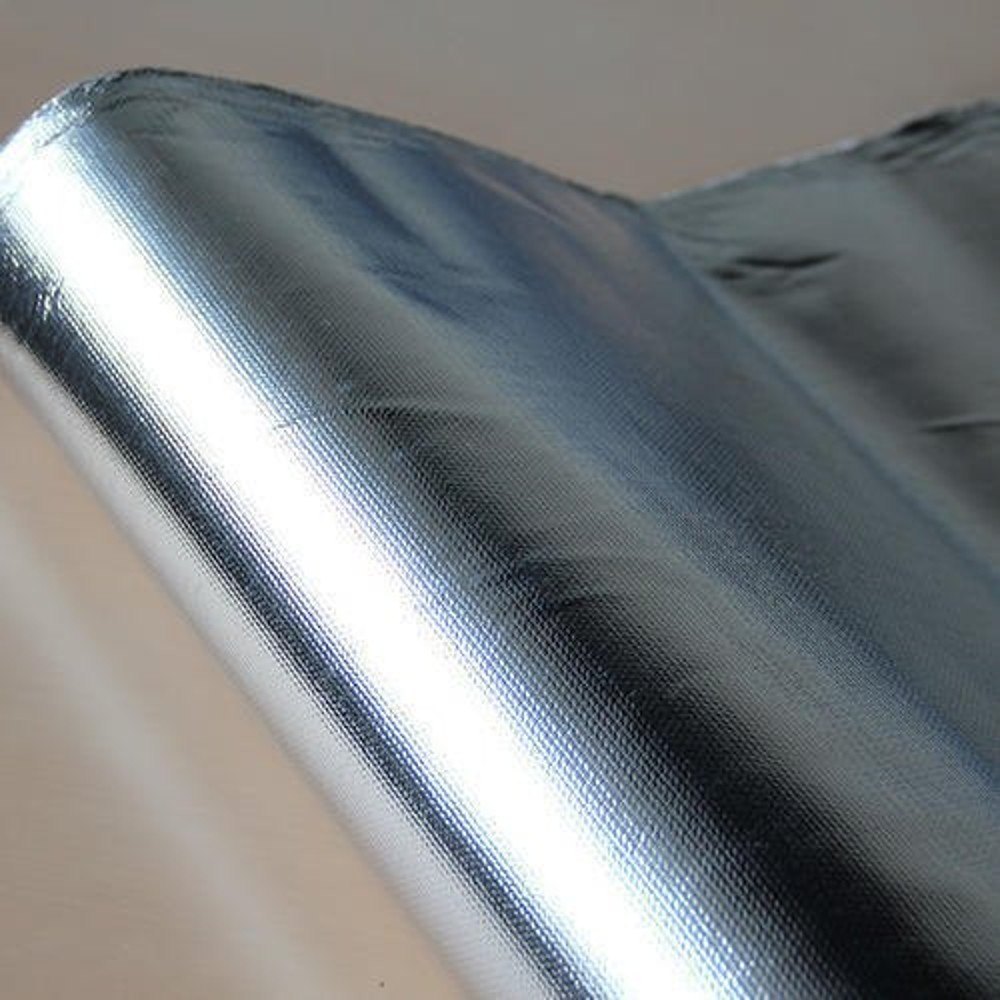
Cuando la principal carga térmica proviene de una superficie caliente, una abertura de horno, un componente de escape u otra fuente radiante intensa, una superficie reflectante puede ser más útil que simplemente aumentar el grosor del tejido.
BSTFLEXTela de sílice alta recubierta de aluminiocombina un sustrato tejido de alta sílice con una superficie recubierta de aluminio diseñada para proporcionar reflexión del calor radiante mientras conserva la flexibilidad de una barrera textil.
Las aplicaciones típicas incluyen:
Escudos contra calor radiante
Protección de áreas de hornos
Barreras contra calor de escape
Protección de equipos industriales
Cortinas térmicas
Cubiertas protectoras
Recintos de alta temperatura
Esta construcción es especialmente útil cuando el objetivo es reducir la transferencia de calor radiante hacia componentes adyacentes en lugar de simplemente colocar una capa aislante contra una superficie caliente.
Ver tela de sílice alta recubierta de aluminio
En algunas aplicaciones, la debilidad de un textil común no es la resistencia a la temperatura, sino la manipulación repetida, la fricción y el desgaste superficial.
Tela de sílice recubierta de vermiculitacombina tela de alta sílice con un tratamiento de vermiculita que aumenta la durabilidad superficial y la resistencia a la abrasión. BSTFLEX utiliza actualmente tela de sílice al 96% como construcción base para este producto.
Las aplicaciones incluyen:
Cortinas de soldadura
Mantas de soldadura
Juntas de expansión flexibles
Juntas
Chaquetas de aislamiento desmontables
Protección de equipos
Sistemas de control de incendios
Para fabricaciones que implican movimiento repetido o contacto mecánico, esta construcción puede proporcionar ventajas sobre la tela de sílice sin tratar.
Ver tela de sílice recubierta de vermiculita
Instalar tela suelta alrededor de superficies irregulares no es práctico en todas las aplicaciones.
Un respaldo adhesivo permite colocar el textil de sílice directamente durante la fabricación o instalación, reduciendo el movimiento mientras se ensambla la barrera térmica.
BSTFLEXTela de sílice de alta temperatura con respaldo adhesivoutiliza un adhesivo sensible a la presión en un lado del textil de sílice. El producto actual puede basarse en tela de sílice al 96%, con material del 70% también disponible bajo solicitud.
Los usos típicos incluyen:
Barreras térmicas fabricadas
Aislamiento de equipos
Conjuntos de escudos térmicos
Formas de corte irregulares
Protección térmica instalada en campo
Aplicaciones que requieren posicionamiento temporal durante el ensamblaje
Al igual que con los tejidos recubiertos, el adhesivo y el sustrato de sílice tienen diferentes limitaciones de temperatura. Por lo tanto, la temperatura máxima de la propia fibra de sílice no debe utilizarse como la temperatura permitida de la capa adhesiva.
Ver tejido de sílice con adhesivo posterior
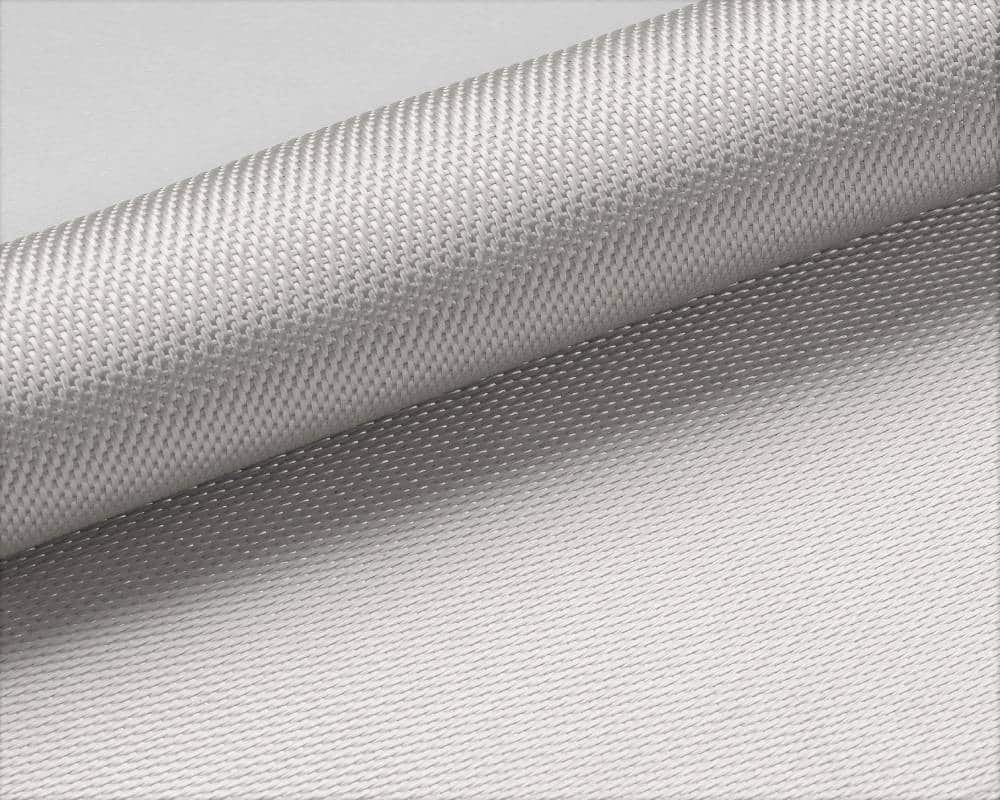
No existe una única clasificación de temperatura que se aplique a todos los tejidos de sílice.
La capacidad de temperatura depende de:
Contenido de sílice
Construcción del tejido
Tejido
Espesor
Tratamiento superficial
Duración de la exposición
Llama directa frente a calor indirecto
Carga mecánica
Método de instalación
El actual tejido de sílice tejido al 96% de BSTFLEX está diseñado para una exposición térmica continua alrededor de 1000 °C, mientras que el grado tejido actual del 70% está especificado para temperaturas de trabajo de hasta aproximadamente 800 °C.
Los recubrimientos, adhesivos y laminados deben evaluarse por separado. Un textil de sílice recubierto puede utilizar un tejido base de alta temperatura mientras que el tratamiento superficial tiene un límite de servicio continuo más bajo.
Por esta razón, especificar un tejido de sílice solo preguntando "¿Cuál es la temperatura máxima?" suele ser insuficiente.
Una especificación más útil incluye:
temperatura de funcionamiento continuo + temperatura máxima + tiempo de exposición + tipo de calor + condiciones mecánicas.
La soldadura es una de las aplicaciones más establecidas para los textiles de sílice.
Dependiendo de la construcción, el tejido de sílice puede convertirse en:
Mantas de soldadura
Cortinas de soldadura
Pantallas de soldadura
Barreras contra chispas
Cubiertas para equipos
Sistemas de protección para trabajos en caliente
Para protección térmica general, el tejido de sílice tejido al 70% puede ser suficiente. Las aplicaciones de mayor temperatura o más exigentes pueden requerir material del 96%.
Cuando es importante una mayor durabilidad superficial, se puede considerar el tejido de sílice recubierto con vermiculita. Cuando se requiere una superficie flexible recubierta, el tejido de sílice recubierto con silicona proporciona otra opción de construcción.
El tejido siempre debe seleccionarse según el proceso de soldadura real, la distancia de exposición, las condiciones de chispas y escoria, y si el textil se utilizará vertical u horizontalmente.
Los hornos y hornos industriales exponen los materiales aislantes a altas temperaturas sostenidas y, en muchos casos, a una considerable radiación térmica.
El tejido de sílice de alta pureza puede utilizarse como:
Cortinas para hornos
Revestimiento de aislamiento
Capas de separación térmica
Barreras térmicas flexibles
Cubiertas para equipos
Componentes de aislamiento desmontables
Un tejido de sílice tejido de alta pureza, con un 96 %, suele ser más adecuado cuando existe una exposición térmica prolongada y severa.
Cuando el calor radiante es la carga predominante, puede evaluarse en su lugar un tejido de sílice recubierto de aluminio.
Los sistemas industriales y de escape de vehículos generan calor concentrado alrededor de tuberías, colectores, silenciadores, turbinas y equipos cercanos.
El tejido de sílice para altas temperaturas puede incorporarse en:
Mantener el aislamiento de los gases de escape
Escudos térmicos
Cubiertas desmontables
Envolturas térmicas
Sistemas de aislamiento multicapa
La flexibilidad de la tela de sílice tejida permite adaptarla alrededor de formas que serían difíciles de aislar utilizando materiales rígidos.
La selección del material debe considerar tanto la temperatura de la superficie de escape como la reducción de temperatura requerida en el lado protegido.
El tejido de sílice también se utiliza como componente en chaquetas de aislamiento desmontables fabricadas.
Según el diseño, puede funcionar como:
Tejido de la cara caliente
Capa protectora exterior
Capa térmica interna
Refuerzo textil resistente al fuego
Barrera flexible alrededor del medio aislante
Las válvulas, bridas, bombas, turbinas, componentes de escape y equipos de procesamiento industrial suelen requerir aislamiento desmontable porque las inspecciones o el mantenimiento rutinarios deben seguir siendo posibles.
Las construcciones recubiertas de silicona, recubiertas de vermiculita y de sílice de alta pureza sin recubrimiento pueden cumplir distintas funciones dentro de estos conjuntos.
Un proceso de selección útil comienza con la fuente de calor, no con el nombre del tejido.
La aplicación implique temperaturas severas sostenidas y el requisito principal sea una alta estabilidad térmica.
Tejido de sílice para altas temperaturas, 96 %
La temperatura de funcionamiento sea menor y el proyecto requiera un equilibrio entre el rendimiento térmico y el costo del material.
Se necesite una superficie recubierta y flexible para cubiertas fabricadas, cortinas o componentes térmicos flexibles.
Tela de sílice de alta pureza recubierta de caucho de silicona
La reflexión del calor radiante es el objetivo principal.
Tela de sílice con recubrimiento de aluminio de alta sílice
La aplicación requiera un textil de sílice con mayor durabilidad superficial y resistencia a la abrasión.
Tela de sílice con recubrimiento de vermiculita
El material deba colocarse directamente sobre un componente o mantenerse en su lugar durante la fabricación.
Tela de sílice de alta temperatura con respaldo adhesivo
La tela de sílice y la tela convencional de fibra de vidrio son textiles de alta temperatura relacionados, pero no deben tratarse automáticamente como materiales equivalentes.
La fibra de vidrio estándar se selecciona comúnmente para aislamiento térmico general y aplicaciones de temperatura moderada.
La tela de alta sílice está destinada a exposiciones térmicas más exigentes donde se requiere un mayor contenido de sílice y una mayor estabilidad térmica.
La elección depende de:
Temperatura continua
Temperatura máxima
Fuente de calor
Flexibilidad requerida
Peso de la tela
Exposición mecánica
Requisitos de recubrimiento
Diseño del componente terminado
Costo del proyecto
Usar el material de mayor temperatura no siempre es necesario. El mejor enfoque es adaptar la construcción de la tela al entorno de servicio real.
No.
Los términos pueden aparecer juntos en búsquedas de textiles de alta temperatura, pero no deben tratarse como sinónimos.
Tela de alta sílicese refiere a textiles de fibra de vidrio ricos en sílice.
Tela de alúmina-sílice, a menudo asociada con textiles de fibra cerámica, pertenece a una familia de materiales diferente basada en fibras de aluminosilicato.
Esta distinción es importante al comparar la capacidad de temperatura, las propiedades mecánicas, las características de manipulación y las aplicaciones adecuadas.
Por lo tanto, los compradores que buscan tela de alúmina-sílice deben evaluar la tela de fibra cerámica por separado en lugar de asumir que es otro nombre para la tela tejida de alta sílice.
El tratamiento superficial puede cambiar el rendimiento de la tela de sílice en la aplicación terminada.
La tela lisa suele elegirse cuando el rendimiento térmico y la flexibilidad del propio textil de sílice son la prioridad.
El recubrimiento de silicona puede proporcionar una superficie recubierta más protegida y flexible.
El tratamiento con vermiculita mejora la resistencia a la abrasión y la durabilidad superficial.
Una superficie de aluminio está destinada principalmente a la gestión del calor radiante.
El adhesivo sensible a la presión simplifica el posicionamiento y la instalación.
El tratamiento correcto depende del modo de fallo que el diseñador intenta evitar.
Esa distinción es más importante que simplemente seleccionar el tejido con la clasificación nominal de temperatura más alta.
Los proyectos industriales de protección térmica rara vez utilizan una única especificación universal.
BSTFLEX suministra textiles de sílice para fabricantes OEM, fabricantes de aislamientos industriales, proveedores de protección para soldadura, fabricantes de escudos térmicos y otras empresas que requieren materiales textiles para altas temperaturas.
Según el producto y la aplicación, los requisitos pueden incluir diferentes:
Contenidos de sílice
Pesos del tejido
Espesores
Anchos
Longitudes de rollo
Construcciones del tejido
Recubrimientos superficiales
Tratamientos de aluminio
Tratamientos de vermiculita
Respaldo adhesivo
Dimensiones fabricadas
Requisitos de embalaje
Para un proyecto nuevo, proporcionar datos de la aplicación antes de la cotización ayuda a identificar una construcción más adecuada.
La información útil incluye:
Temperatura de funcionamiento continuo
Temperatura máxima a corto plazo
Exposición directa a llamas
Condiciones de calor radiante
Temperatura de contacto
Espesor requerido
Ancho y longitud de rollo requeridos
Entorno de aplicación
Abrasión mecánica
Tratamiento superficial requerido
Cantidad anual estimada
Dimensiones del dibujo o de la pieza terminada
El tejido de sílice se utiliza para aislamiento térmico industrial, mantas de soldadura, cortinas contra incendios, protección de hornos, aislamiento de escapes, cubiertas de aislamiento desmontables, juntas de expansión y otras aplicaciones que implican temperaturas elevadas.
En la terminología de compras industriales, el paño de sílice y el tejido de sílice se utilizan comúnmente para describir la misma categoría general de textiles tejidos de sílice. No obstante, los productos individuales pueden diferir significativamente en contenido de sílice, tejido, peso, espesor y tratamiento superficial.
El tejido de sílice tejido se produce entrelazando hilos a base de sílice para formar un textil flexible. La construcción tejida permite que el material se corte, cosa, envuelva o fabrique en componentes de protección térmica.
El tejido de sílice amorfo es un término utilizado para textiles fibrosos ricos en sílice cuya estructura de sílice no es cristalina. En búsquedas industriales, el término suele asociarse con materiales tejidos de sílice de alta pureza utilizados para protección térmica extrema.
El tejido de sílice de alta pureza normalmente se refiere a textiles tejidos con una alta concentración de SiO2. El grado del 96% de BSTFLEX contiene al menos un 96% de sílice y está diseñado para una exposición continua alrededor de 1000 °C.
No. Difieren en el contenido de sílice y la capacidad térmica. El tejido actual de BSTFLEX al 70% está especificado para servicio de hasta aproximadamente 800 °C, mientras que su tejido de sílice tejido al 96% está destinado a una exposición continua alrededor de 1000 °C.
Sí. Dependiendo del rendimiento requerido, el tejido de sílice puede suministrarse con tratamientos de caucho de silicona, aluminio, vermiculita o adhesivo sensible a la presión.
Cuando la reflexión del calor radiante es el requisito principal, el tejido de sílice alta recubierto de aluminio suele ser más adecuado que un textil sin tratar, porque su superficie metálica está diseñada específicamente para reflejar la energía radiante.
Tanto los tejidos de sílice al 70% como al 96% pueden utilizarse en protección para soldadura dependiendo de la severidad de la exposición térmica. El material tratado con vermiculita también puede considerarse cuando se requiere una mayor durabilidad superficial.
Sí. El textil de sílice tejido puede cortarse y fabricarse en mantas, cortinas, cubiertas y componentes de aislamiento. Deben seleccionarse hilo de coser de alta temperatura y métodos de fabricación adecuados para las condiciones de servicio previstas.
BSTFLEX suministra actualmente las siguientes construcciones principales de textiles de sílice:
Tejido de sílice de alta temperatura al 96%
Tejido de sílice tejido al 70%
Tela de sílice alta recubierta con caucho de silicona
Tejido de sílice alta recubierto de aluminio
Tela de sílice recubierta de vermiculita
Tejido de sílice de alta temperatura con respaldo adhesivo
El tejido de sílice más adecuado depende de mucho más que una sola cifra de temperatura.
Para una recomendación precisa de material y una cotización, proporcione la temperatura de funcionamiento requerida, la fuente de calor, el grosor o peso del tejido, el ancho, el tratamiento superficial, la aplicación y la cantidad estimada.
BSTFLEX puede suministrar tejidos de sílice estándar, así como requisitos de textiles de alta temperatura recubiertos, laminados, con respaldo adhesivo y específicos para aplicaciones en proyectos industriales y de OEM.
Envíe sus especificaciones, dibujo o requisitos de muestras a BSTFLEX para la evaluación del material y la cotización.

 English
 français
 Deutsch
 русский
 italiano
 português
 Nederlands
 العربية
 日本語
日本語 한국의
한국의 Türkçe
 Polski
 Tiếng Việt
 slovenský
 Indonesia