English
 français
 Deutsch
 русский
 italiano
 português
 Nederlands
 العربية
 日本語
日本語 한국의
한국의 Türkçe
 Polski
 Tiếng Việt
 slovenský
 Indonesia



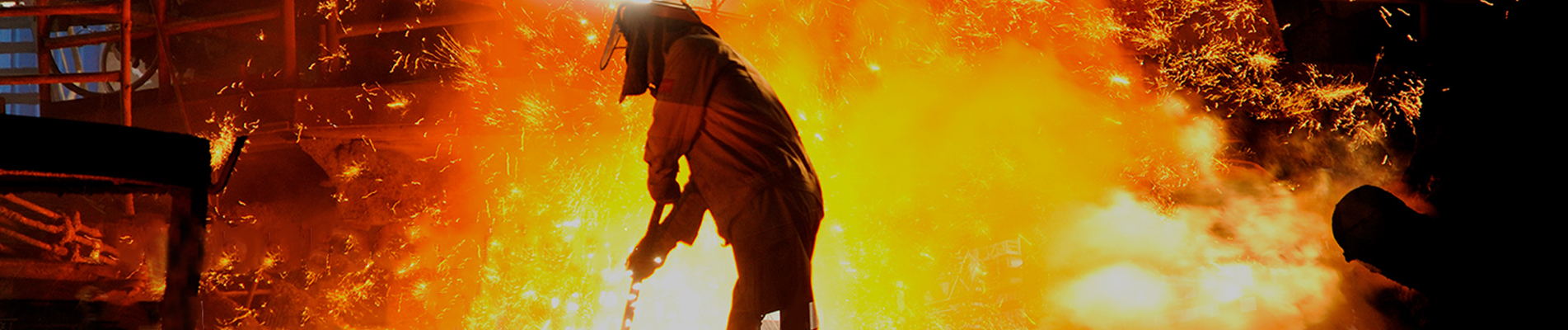
El plano de aislamiento de un horno requiere más que la especificación del revestimiento principal. También es necesario prestar atención a las zonas de contacto con la puerta, los bordes del aislamiento extraíbles y las tuberías de servicio cercanas a la zona caliente. En estos detalles, un tejido térmico estrecho puede resultar muy útil.
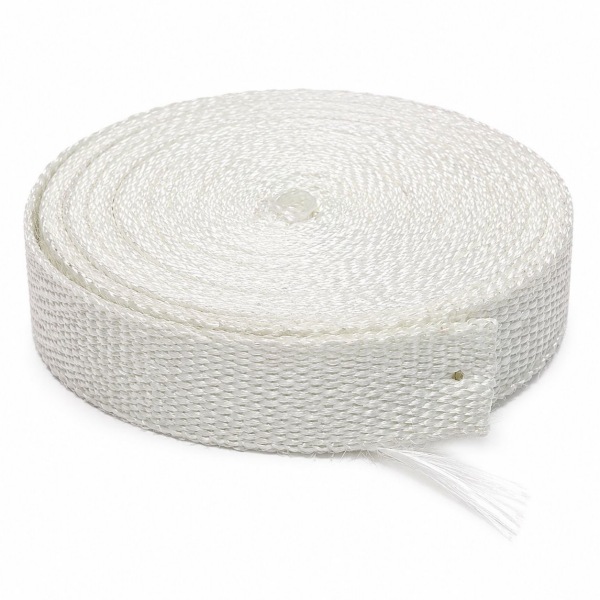
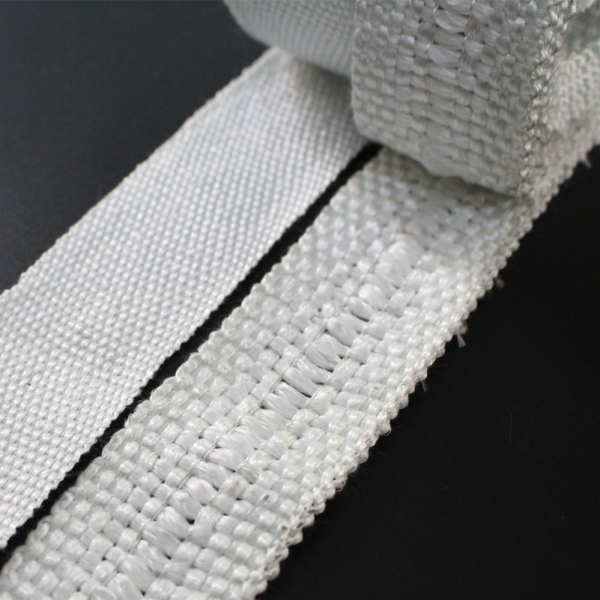
La cinta tejida de sílice es una tira flexible tejida con hilo de fibra de sílice para aislamiento localizado y protección contra el calor.En las proximidades de hornos y equipos de tratamiento térmico, se pueden utilizar sellos térmicos planos, ribetes en conjuntos de aislamiento y envoltura protectora en líneas cercanas. Cada uso requiere una fijación y una verificación de aceptación diferentes.
ElCinta tejida de sílice BSTFLEXLa gama proporciona el componente textil. Seleccionarlo para un detalle específico del horno implica verificar tanto el material como la instalación ensamblada, en lugar de basarse únicamente en el nombre de la fibra.
Tres lugares para evaluar la cinta de sílice tejida
Tiras de contacto para puertas de hornos
Cuando el plano del equipo requiera un sello térmico textil plano, se puede considerar la cinta de sílice para la tira de contacto. Comience por considerar las superficies de contacto, el ancho disponible y el espacio libre de la puerta cerrada. El espesor seleccionado debe permitir que la puerta cierre correctamente y, al mismo tiempo, proporcione el contacto deseado.
Verifique una muestra en su configuración de retención real. Busque compresión desigual, fricción en el lado de la bisagra y bordes expuestos que puedan engancharse al abrir. Una clasificación de temperatura más alta no corregirá una puerta deformada ni una tira mal sujeta. No reemplace un sello con forma o de presión con cinta plana sin la aprobación del diseñador del equipo.
Bordes de mantas aislantes y barreras flexibles
La cinta de sílice tejida puede utilizarse como elemento de unión o como refuerzo local en mantas y cortinas aislantes prefabricadas. En esta aplicación, las dimensiones importantes incluyen el ancho final de la unión, el material que abarca la cinta y la posición de fijación.
Evalúe conjuntamente la cinta, el hilo de coser, los sujetadores y el tejido adyacente. La costura debe ser adecuada para la temperatura y el uso previsto del conjunto completo. Una cinta adecuada no justifica un hilo o material de soporte inadecuado. Para las piezas desmontables, incluya en la revisión de la muestra el levantamiento, el plegado y el reajuste.
Líneas de servicio cercanas a la zona de tratamiento térmico
Los cables, mangueras y tuberías industriales pueden requerir protección localizada cerca de las aberturas de los hornos o de los equipos calefactados. La cinta aislante de sílice ofrece un formato de envoltura estrecho para estas piezas, previa confirmación de la exposición al calor y del método de fijación.
Registre si la exposición ocurre durante el funcionamiento normal, la apertura de la puerta, la carga o el mantenimiento. Identifique el límite de temperatura del componente protegido y cualquier movimiento en la sección envuelta. Verifique su temperatura en condiciones de funcionamiento representativas; agregar cinta no aumenta la clasificación del fabricante para la manguera o el cable subyacente.
Por qué es importante el borde tejido
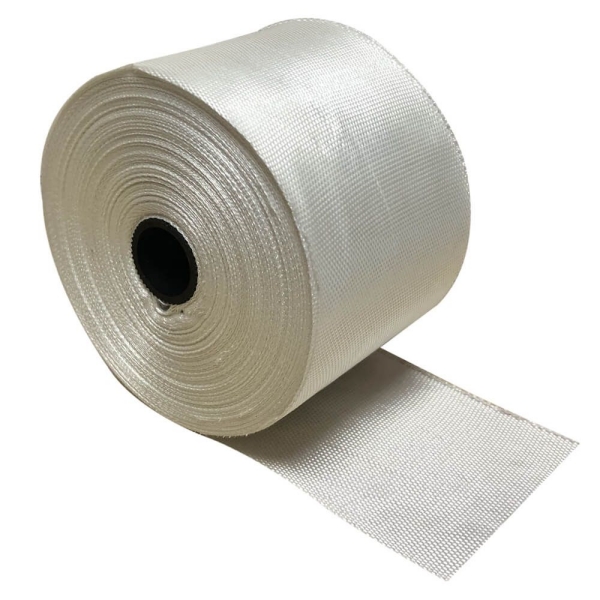
La construcción de los bordes es una diferencia práctica entre una cinta tejida estrecha y una tira cortada de una tela más ancha. Los bordes longitudinales tejidos ayudan a evitar que se deshilachen durante la manipulación. Esto resulta útil al colocar tiras de contacto largas o al introducir material de unión en una operación de ensamblaje.
Los extremos cortados aún requieren atención, y cortar un borde lateral tejido altera su estado. Compruebe el método de corte y fijación propuesto en una muestra en lugar de especificar que el componente final sea completamente a prueba de deshilachado. La construcción del borde y el respaldo adhesivo son opciones independientes: solicitar un respaldo no determina si el tejido se teje al ancho deseado o se corta de la tela.
Utilice la temperatura medida en la cinta, no solo el punto de ajuste del horno.
El punto de ajuste del panel de control describe el proceso controlado. No determina la exposición en cada sello, cable externo o borde de aislamiento. Evalúe la ubicación de la cinta, incluyendo el contacto con superficies calientes, la exposición radiante a través de una abertura y los picos de temperatura de corta duración durante el ciclo de operación.
La clasificación de los materiales y la aprobación de los equipos son diferentes.El límite de servicio continuo publicado para la cinta de sílice tejida BSTFLEX SIT es de 982 °C (1800 °F). Confirme este valor con la especificación vigente para la construcción que se solicita. No constituye una aprobación para todos los hornos que operen por debajo de este punto de ajuste, ni una clasificación de temperatura para un adhesivo, junta o componente protegido.
Cuando se requiere una temperatura exterior máxima o un nivel de pérdida de calor definido, evalúe el sistema de aislamiento completo. El espesor, la geometría, la conductividad del material y las condiciones ambientales influyen en el resultado. Un límite de servicio de fibra por sí solo no permite determinar el rendimiento del aislamiento.
Prueba el detalle a través de su ciclo de trabajo.
Para una nueva aplicación, evalúe más que la apariencia de una muestra sin usar. Acuerde las condiciones de prueba con el equipo de equipos y verifique los detalles ensamblados después de un calentamiento, enfriamiento y operación mecánica representativos, utilizando procedimientos de inspección aprobados.
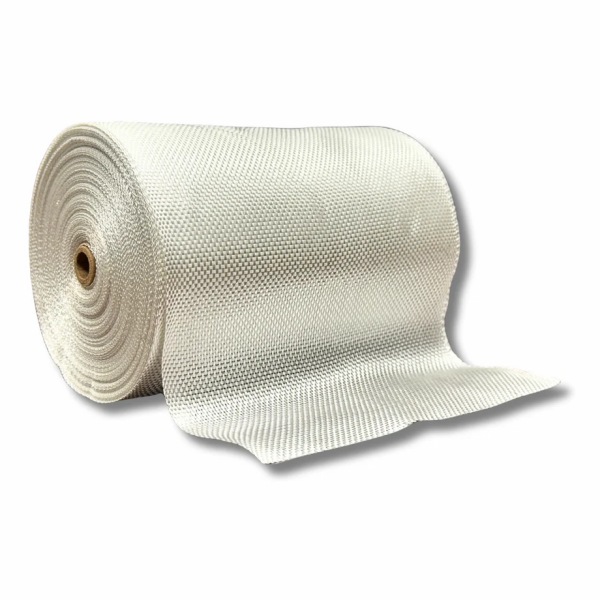
Para una tira de contacto de puerta, compruebe la consistencia del contacto y si el material permanece en su sitio. Para el ribeteado de bordes, examine la costura y el borde sellado. Para una línea protegida, verifique la cobertura, la estabilidad de la fijación y la temperatura del componente. Registre los cambios dimensionales y el desgaste visible para que la siguiente decisión se base en la instalación, y no simplemente en una fotografía del rollo.
Mantenga los criterios de aceptación específicos. Una tira térmica intacta no garantiza automáticamente un sellado hermético, y una envoltura visualmente intacta no prueba que el cable subyacente se haya mantenido dentro de su límite de temperatura. Acuerden qué se debe medir antes de aprobar el suministro repetido.
Haz el dibujo que describa todos los detalles de la cinta.
Para una tira de puerta, indique el ancho de contacto, el espesor sin comprimir, el espesor requerido para la instalación y el método de sujeción. Para el ribeteado de mantas, indique la sección del borde acabado y la disposición de la costura. Para la protección de líneas, identifique el componente, la longitud de exposición y el espacio libre disponible. Estos detalles proporcionan al proveedor información más útil que una simple solicitud de «cinta de sílice para altas temperaturas».
Indique las temperaturas normales y máximas en la ubicación propuesta, la duración de la exposición, la atmósfera del proceso y el manejo previsto. Si la estabilidad dimensional o un método de prueba específico son importantes, indique el requisito de aceptación en la consulta. Incluya la cantidad y la longitud del rollo o corte requerida, junto con una revisión del plano o una referencia de muestra aprobada para pedidos repetidos.
Suministro de cinta de sílice para proyectos de equipos industriales
BSTFLEX ofreceCinta de sílice tejida en dimensiones estándar y solicitadas.Envíe los detalles del equipo, las condiciones de servicio y la cantidad para que podamos revisar conjuntamente el material propuesto y el formato de suministro. Incluya en su consulta cualquier requisito de soporte, embalaje o muestras.
Para un material o construcción diferente, explore laGama de cintas industriales de alta temperatura. Para un detalle definido del horno o del equipo de tratamiento térmico, Solicite un presupuesto de cinta de sílice a BSTFLEX. .